Why Standard Warm Soft Lighting Stay a Favorite for Outside Lights
Exterior lighting patterns come and go. Awesome white had its surge. Color-changing systems attracted focus. App-controlled scenes became a selling factor. Yet when property owners step back and ask what actually looks right on a house, every year, many return to the exact same solution: traditional cozy soft lights.
That preference is not fond memories alone. It comes from exactly how homes are built, exactly how materials respond after dark, and exactly how people want to feel when they draw right into the driveway at 6:30 on a winter season evening or remain on the outdoor patio after sunset in July. One of the most successful exterior lighting rarely yells. It works out in, flatters the style, and makes a residential or commercial property feel completed without looking staged.
After sufficient evenings invested readjusting components, transforming shade temperatures, and standing at the visual with home owners while the sun drops, a pattern becomes apparent. Cozy light often tends to age much better, photograph far better, and live far better than nearly any kind of various other outside illumination choice.
What "classic cozy soft" actually indicates outside
People usually use the expression loosely, however in technique, timeless cozy soft lights usually fall in the lower shade temperature level array, usually around 2200K to 3000K depending on the application. Theoretically, that sounds technological. Personally, it means the light has a mild amber or golden character rather than a crisp blue-white cast.
That difference matters a lot more outdoors than it performs in a showroom. Several outside surfaces are textured, matte, irregular, or reflective in unequal methods. Brick, cedar, natural rock, repainted trim, stucco, and asphalt shingles all react differently to man-made light. Warm tones tend to pull out depth and gentleness in those materials. Cooler temperatures usually overemphasize contrast and make surfaces really feel flatter or harsher.
A homeowner might not claim, "The 2700K result complements the touches in the limestone veneer." They are more likely to state, "That appears like home." That reaction is the real factor these lights endure.
Classic warm soft lights also align with how the human eye anticipates household areas to care for dark. Dining establishments, hospitality areas, and premium outdoor living locations discovered this a very long time back. If the goal is comfort, heat wins.
The emotional side of exterior lighting matters greater than lots of people admit
A home is not a storage facility. It is not a vehicle parking structure. Exterior lighting for a residence does greater than improve presence. It sets a state of mind prior to anyone reaches the front door.
Warm light creates mental simplicity. It recommends welcome, calm, and occupancy. That matters in refined means. A gently lit front walk feels much safer without feeling interrogated. A back patio glows instead of glares. Landscape includes become part of the evening rather than going away right into darkness or being overexposed.
I have actually seen this play out on tasks where home owners originally asked for brighter, whiter light due to the fact that they thought brighter meant better. As soon as set up, those cooler lamps usually made the home look even more industrial than domestic. The stone looked cooler. The trim looked sharper, yet not in a complementary means. Darkness became harder. When those systems were adjusted to warmer lamps or warmer LED setups, the house instantly really felt much more pricey and extra comfy, although the component locations did not change.
That is just one of the peaceful truths in this group. Excellent outside illumination is not just about output. It has to do with tone.
Why warmer light flatters architecture
Exterior illumination should sustain the architecture, not compete with it. Cozy soft lights does that especially well because it respects the all-natural visual power structure of a home.
Traditional homes gain from it most clearly. Colonial, craftsman, farmhouse, Tudor, Mediterranean, and rustic designs all often tend to look more permanent LED color design based under warm illumination. Rich siding shades, stained wood doors, copper accents, brick exteriors, and all-natural masonry all gain deepness under that warmer glow.
Even modern homes, which many individuals presume need cooler whites, commonly look far better with controlled heat. A clean-lined contemporary home can still review as crisp at 2700K. The distinction is that it stays welcoming. At 4000K or higher, many modern homes begin to really feel clinical, particularly if the exterior combination currently consists of gray rock, charcoal metal, or white stucco.
The relationship between light and shadow also enhances with warmer temperatures. Exterior design requires contrast to reveal form, but not so much comparison that every column, eave, and soffit looks serious. Warm light often tends to soften changes. It creates dimension without making a house show up overlit.
Curb charm is a nighttime problem too
A lot of property owners spend heavily on landscaping, paint, stonework, and rooflines, then deal with illumination as a second thought. During the day, your house lugs itself. In the evening, lighting comes to be the architecture individuals actually see.
Classic warm soft lights carry out specifically well from the street. They produce depth throughout the exterior and help define access, rooflines, and pathways without transforming the home right into a brilliant object in a dark community. That equilibrium is one reason they stay so popular for Permanent LED Lighting Installment. House owners want a system that looks elegant on ordinary nights, not simply throughout December celebrations or special events.
This is where irreversible systems have altered the conversation. Older seasonal arrangements normally required an option in between useful white light bulbs, colored vacation light bulbs, or no illumination whatsoever. Today, Permanent Holiday Lights can run year-round with subtle, warm settings that go away into the design during the day and give low-profile elegance during the night. On holidays, they can switch to more meaningful scenes. The key is that their day-to-day mode frequently works finest in a timeless cozy soft tone.
That versatility has actually made lots of property owners a lot more aware of simply exactly how livable cozy outside lights is. Once they see their home softly lit every night without ladders, clips, or annual setup, the preference tends to stick.
Warm light normally looks much better on typical exterior materials
This is just one of the least extravagant but most practical factors for the enduring appeal of warm illumination. Many property exteriors in The United States and Canada are developed from materials that take advantage of warmth.
Brick is a clear instance. Red, brownish, and earth-toned brick can look rich and split under warm light. Under cooler light, the very same block can shed its deepness and drift toward a washed-out or sloppy look. Natural rock typically behaves similarly. As opposed to highlighting the variation within the stone, cooler illumination can flatten it or make private cuts show up as well stark.
Wood, whether natural or tarnished, often enhances under cozy illumination. The grain learns more normally. The surface looks willful instead of dry. Repainted siding, specifically lotions, taupes, environment-friendlies, and softer blues, also often tends to hold its color much better under cozy light. By comparison, great white can press much of those tones right into a grayer, thinner look.
Metal finishes matter as well. Bronze, black iron, aged brass, and copper all set normally with cozy light. Those combinations feel systematic since the component style and the light color are telling the very same story.
The ideal exterior lights is frequently the least noticeable
When exterior lights is done well, guests normally do not discuss the components initially. They discuss the ambience. They say the backyard really feels inviting. They see the sidewalk is very easy to adhere to. They stop briefly by the front entrance due to the fact that it feels composed.
Classic cozy soft lights support that sort of action because they do not promote themselves as a modern technology choice. Cooler lights commonly announce themselves promptly. That is not always an imperfection. There are setups where sharp white light is exactly right, such as safety areas, solution areas, or commercial exteriors. Residential design typically asks for something quieter.
This is particularly real in communities where homes sit reasonably close together. A hostile cool-white system can hemorrhage into bordering homes, create glow through home windows, and make a home stand out for the incorrect factor. Warm systems tend to be much easier to control visually. They can still provide adequate lighting for safety, however they do so with much less visual noise.
Where warm light exceeds trend-driven color choices
Color-changing systems work. They can celebrate vacations, assistance team shades, or add personality for celebrations. There is no factor to disregard them outright. The blunder is thinking that because a system can produce countless shades, it must utilize them often.
Most homes invest the vast majority of the year in ordinary life. Kids get back from school. Packages get here. Dogs require walking. Guests drop in for dinner. On those nights, saturated color impacts are usually too active. A classic warm soft setting merely fits even more situations.
That is why most of the very best Long-term Holiday Lights setups are not developed as holiday-only products. They are designed as irreversible building lighting systems with vacation capability. The distinction issues. If a system only looks excellent when it is doing something fancy, it will certainly be off the majority of the year. If it looks refined in a warm white setting every evening, it enters into the home.
Homeowners typically uncover this after installment. The colors are fun and worth having. The cozy white setting ends up being the default.
The performance situation for cozy lighting
Aesthetic choice obtains a lot of the focus, but there is a functional side too. Warm outside lights can be much easier to live with due to the fact that it has a tendency to decrease viewed cruelty and glow. That does not imply low result or poor exposure. It means useful light routed in such a way that feels comfortable.
Brightness and color temperature are not the very same thing, though individuals generally treat them as if they are. A well-placed 2700K fixture can offer outstanding path lighting. A 4000K component of comparable output may feel brighter, but it can additionally feel even more glaring, specifically if viewed directly from the road or from a seated outside area.
This matters on decks, patios, and exterior kitchens where individuals spend time near the light. It also matters for older home owners, that can be a lot more conscious glare and comparison. In those instances, cozy illumination commonly creates an extra useful outside atmosphere due to the fact that the eye can relax.
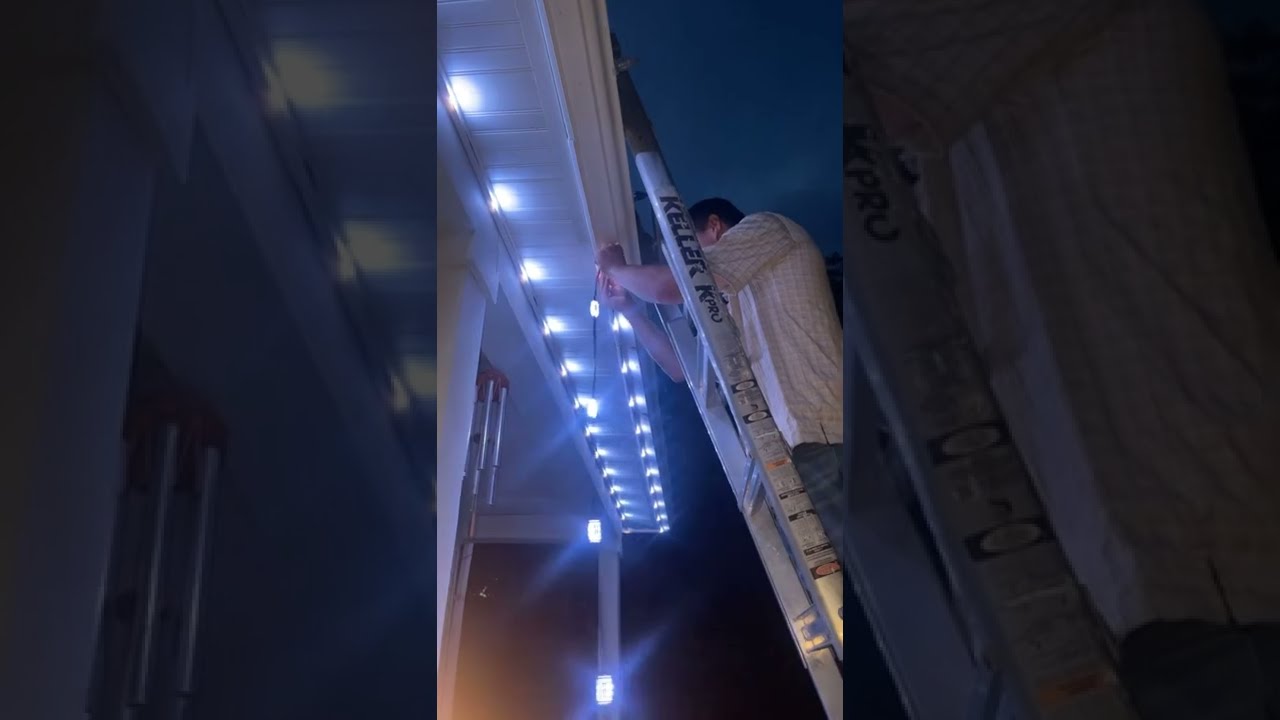
Common circumstances where traditional warm soft lights make the most sense
There are some applications where cozy illumination consistently proves itself. These are the minutes where pattern resistance turns into useful wisdom.
- Front access and porches, where the goal rates, facial visibility, and a feeling of arrival
- Rooflines and eaves, specifically in Permanent LED Lighting Installment, where refined outlining looks a lot more polished than sharp white tracing
- Patios, pergolas, and seating areas, where glare control and convenience issue as much as visibility
- Landscape uplighting on trees, stone, and growing beds, where cozy tones expose structure beautifully
- Historic or character-rich homes, where cooler temperature levels typically battle the architecture
Those are not the only applications, however they are the ones where homeowners hardly ever regret picking warm.
That stated, cozy is not constantly the answer
Professional judgment implies recognizing the side cases. Some homes take advantage of a layered approach instead of a single color temperature everywhere.
Security lighting around side yards, garage work areas, garbage rooms, or utility zones may require much more neutral or somewhat cooler light for clarity and job visibility. Coastal modern homes with extremely light finishes occasionally deal with a restrained 3000K establishing better than an ultra-warm 2200K tone. Snow-heavy areas can additionally transform perception. Light showed off snow appears brighter and cooler to the eye, so a temperature that looks perfect in summer may require dimming modifications in winter.
There is additionally the problem of over-warming. Very amber light can start to really feel staged if it is too solid or applied anywhere. The goal is gentleness, not sepia. In a lot of residential setups, the pleasant area is a well balanced warm white, not an exaggerated vintage effect.
Good exterior illumination layout fixes these problems by treating the home as a make-up. The front facade, paths, enjoyable areas, and solution locations may each need different outputs or component shielding, also if they stay within an usually cozy palette.
Why irreversible systems have strengthened the popularity of warm tones
The increase of Permanent LED Illumination Setup has actually altered house owner expectations. People no more see roofline illumination as a temporary seasonal expenditure. They see it as part of the residential property. That shift normally favors timeless warm soft lights because long-term design asks a harder concern than seasonal design: will this still look excellent in February, April, August, and November?
Warm lights passes that test far better than nearly any alternative.
Permanent systems additionally award restriction due to the fact that they show up all year. The very best installations hide the tracks well, maintain the design, and offer sufficient control to shift from refined daily scenes to vacation programs when preferred. In those systems, cozy white is the setup that verifies the investment was worthwhile. It is the setting that makes your home feel brightened on a common Tuesday.
I have listened to home owners say virtually the very same point in different words: "We purchased it for the vacations, but we keep it on for the rest of the year." That sentence describes the enduring power of warm exterior lighting much better than any trend record could.
A couple of blunders that make cozy lighting look worse than it should
Warm light is flexible, but it still requires appropriate execution. Many frustrating outcomes come from layout errors, not from the shade temperature itself.
- Too much brightness, which washes out the gentleness and creates glare
- Poor component placement, specifically uplights intended also directly at windows or seating areas
- Mixing unconnected light shades, such as cozy facade lights with amazing garage floods
- Cheap LEDs with weak color rendering, which can make surfaces look plain or off
- Lack of lowering control, which requires one light degree for each period and use case
These issues are common, and they are reparable. In numerous projects, the distinction in between "great" and "exceptional" is not a brand-new component. It is reduced result, far better intending, or a more meaningful illumination plan.
The duty of color rendering and why it often obtains overlooked
Color temperature obtains the majority of the discussion due to the fact that it is easy to see and simple to market. Shade making issues just as much. A cozy component with bad color making can still make stone, plants, and paint look lifeless. A high-grade warm LED, on the other hand, exposes refined tones that make a residential property look more expensive.
This is one reason bargain components dissatisfy. They might promote the right heat, however the actual aesthetic outcome can be muddy. Complexion at the front access appearance less all-natural. Plants shed variant. Timber tones show up flatter than they should.
For home owners investing in Permanent Holiday Lights or a wider Irreversible LED Lights Installment, this matters in time. If the lights are on practically every night, small aesthetic shortcomings come to be extremely noticeable. Top quality is not almost long life or application features. It is additionally about whether the light itself feels great to live with.
Why warm light photographs well, but more significantly, why it lives well
Homeowners usually see exterior lighting first in listing photos, developer portfolios, or social media sites clips. Cozy light tends to photograph beautifully because it produces comparison, highlights structure, and provides the home a lovely glow. But the genuine examination is not a picture. It is daily life.
A lighting plan can look dramatic in a specialist picture and still be undesirable at 9 p.m. When someone is obtaining the recycling or delighting in a silent beverage on the patio. Cozy lights endures that test. It is simpler on the eyes, even more adaptable to family members routines, and much less likely to feel dated after the novelty fades.
That durability is a major reason classic cozy soft lights remain a favorite. They are not simply photogenic. They are livable.
What house owners should ask prior to picking an exterior lighting system
When assessing exterior lighting, homeowners frequently focus on component design or application features initially. Those are very important, but the much deeper inquiries typically lead to a far better result.
Ask exactly how your house should feel at night. Ask which architectural information should have emphasis and which ought to decline. Ask whether the lights is suggested for home entertainment, day-to-day aesthetic appeal, security, or all 3. Ask what the residential or commercial property appears like in wet climate, in winter months, and from the street rather than only from the front steps.
For irreversible systems, it is additionally worth asking how usually the color-changing features will reasonably be used compared with a cozy day-to-day setup. That response aids different novelty from value.
The homes that age best under outside lighting are typically the ones that select eternity first and flexibility 2nd. Timeless cozy soft lights fit that order normally. They appreciate materials, support style, and develop a type of nighttime visibility that still feels best years later.
Trends can make a house visible. Cozy light makes it memorable.